DOE Explains Fusion Nuclear Science and Technology
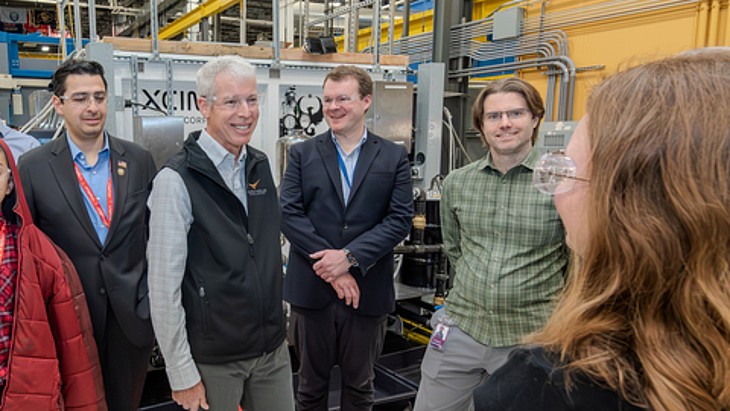
The Department of Energy released a new explanation about fusion nuclear science and technology three days ago. The government office wants everyone to understand how this powerful energy tech works. It breaks down the main ideas behind clean power research in simple terms.
What is DOE fusion nuclear science and technology?
The Department of Energy focuses on how power is made at the smallest levels. Scientists want to recreate the same kind of energy that powers the sun right here on Earth. Learning about nuclear fusion helps researchers build better systems that can make safe electricity for homes and businesses without creating bad pollution.
This big field of study combines physics with heavy machinery and advanced building materials. Experts must design tools that can hold super hot gas without melting down. The new guide from the government shows how far the tech has come and what tools are needed to make it work every day.
Why does fusion energy tech matter for everyday people?
Right now, standard power plants use fuels that can dirty the air or leave behind harmful waste. Clean power technology aims to fix those big problems for good. If scientists can make fusion power work on a large scale, cities will have endless clean energy that never runs out.
This shift could lower electric bills for regular families in the future. It could also help clean up the air in big towns and protect the planet. Getting simple facts from government experts helps regular people see how their tax money funds major scientific work.
What has happened in energy science so far?
Scientists have worked on power research for many decades across the globe. Early experiments were small and could only run for a few seconds at a time. Over the years, government teams built much larger machines to test how gas acts under high heat and heavy pressure.
Here are the key areas researchers focus on today:
- Extreme Heat Control: Finding strong metals that can survive high temperatures.
- Fuel Sources: Using common natural elements that are easy to find on Earth.
- Continuous Power: Keeping the energy reactions running smoothly for long hours.
What should you watch for next in power tech?
You can expect to see more updates from government labs as tests keep moving forward. Private companies are also spending money to build their own small power designs. The goal is to plug the very first real test system into the local electrical grid over the next few years.
Keep an eye out for fresh reports from officials and top scientists. As machines get smarter and stronger, the dream of unlimited clean energy gets closer to reality. Learning the basic science today makes it easier to follow the big news tomorrow.


Comments
Post a Comment