NATO Focuses on New Innovation and Technology Adoption
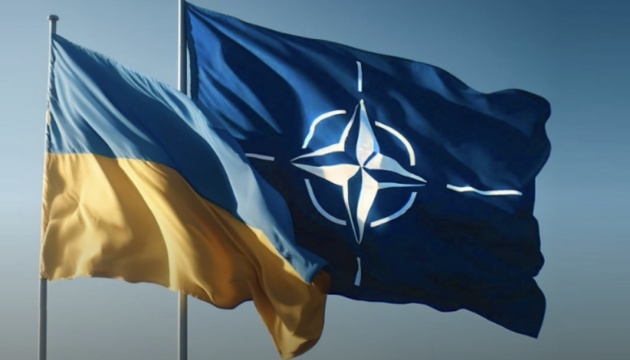
NATO has highlighted a major focus on innovation and technology adoption. The alliance wants member nations to find and use new tools much faster than before. Keeping up with modern tech helps keep allied countries safe today.
What is NATO innovation and technology adoption?
NATO works with many countries to protect millions of people. To do that well, the alliance must keep up with changes in modern science and software. Putting innovation to work means finding fresh ideas and building them into practical tools for defense teams.
Picking up modern tools takes more than just buying gear. The process follows a clear technology adoption life cycle that helps groups test and trust new equipment. NATO aims to shorten the time it takes to move useful gear from a lab to real units in the field.
Why fast technology adoption matters for everyone
Modern tech changes fast, and civilian tools often lead the way. Software, secure networks, and quick communication tools are built every single day. If allied forces do not pick up these tools quickly, they can fall behind groups that move faster.
Fast adoption helps protect basic services that ordinary people use every day. Clean water grids, power stations, and transport networks all need strong digital shields. When defense groups study modern tools, they help keep everyday infrastructure safe from digital attacks.
Key goals for new tech in the alliance
The alliance wants to make working together simple for every member country. Different nations often build their own tools, which can cause problems when they try to talk to each other. Adopting common tools solves that issue quickly.
- Finding smart tools made by civilian tech firms.
- Testing new gear together so every nation can use it.
- Sharing key data across borders without delay.
- Keeping communication links safe during big emergencies.
What steps will we see next?
In the coming months, member countries will work more closely with private tech firms. Startups and labs often build the best tools before big companies do. Working with smaller teams helps defense leaders find new answers to tough safety puzzles.
You can also expect to see more shared tests between partner nations. Joint tests show which tools work well under real stress and which tools need more work. Watching how these tests turn out will show how quickly modern defense can truly change.


Comments
Post a Comment